
Plan for the tax earthquake before it hits.
If you prepare for life changes, have insurance, or keep your skills updated in case you make a career shift, then your family plans. If you plan ahead, your local government should also.
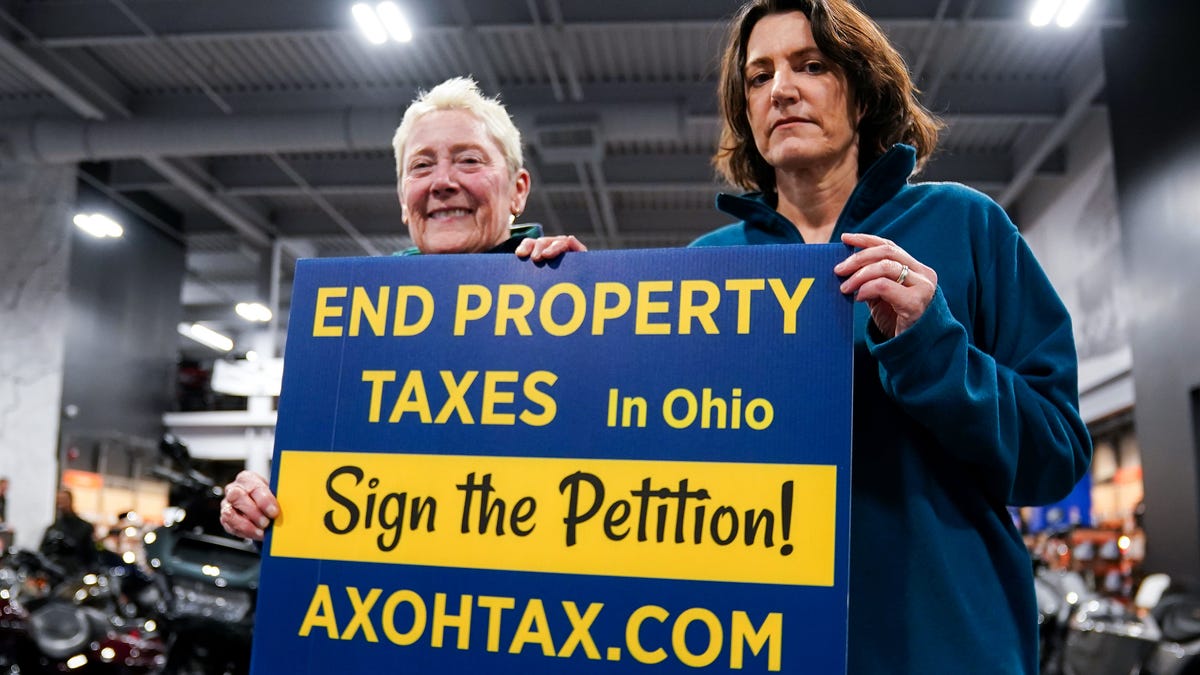
Ohio is currently watching a potential political earthquake rumble just beneath our feet: a possible ballot initiative that would eliminate property taxes statewide. Depending on your perspective, this effort is either a long-overdue correction or a looming catastrophe. If the ground shifts, local governments must be ready.
Voters are demanding answers, not warnings
As Butler County Treasurer, I listen to taxpayers, and I’ve personally worked to reduce the tax burden or make the process as helpful as legally possible. Butler County has returned millions to taxpayers, paid off its general obligation debt, and maintained the lowest sales tax rate in the state. Even with those accomplishments, frustration remains high.
It would be irresponsible for local governments to wait and hope the initiative never makes the ballot. Whether or not it passes, citizens will continue to expect services: police, fire, EMS, road maintenance, and the functions that keep communities safe and livable.
So far, most agencies have responded with one word: catastrophic. But very few have moved beyond expressing concern to developing a contingency plan. That’s a problem.
Whether we like it or not, voters are asking serious questions, and they deserve serious answers. If the traditional funding model is abolished, how will we provide services? What legal alternatives exist? Can services be privatized? Would direct billing work? Are there models that protect homeowners, preserve essential functions, and maintain public safety?
These are hard questions, but they aren’t impossible. What’s impossible is answering them without planning.
Essential services don’t fund themselves
On Feb. 10, Butler County became one of the first local governments in Ohio to formally initiate a contingency planning effort. This workgroup isn’t about panic − it’s about preparation. It’s about leadership.
Even if the ballot initiative fails, this type of planning is a healthy exercise. Local governments may discover efficiencies, eliminate redundancy, and uncover new ways to deliver services more effectively. Proactive thinking today may result in better government tomorrow.
Some may worry that planning for a property tax-free future legitimizes the initiative. I disagree. Planning isn’t political. It’s practical. Voters don’t want threats or fear-based messaging. What they want is empathy, honesty, and action. Too often, government messaging has come across as dismissive or even combative. If we are to regain public trust, we must meet the moment with humility, not hostility.
Without police, fire, and EMS, property insurers may no longer offer coverage in many communities. And without insurance, banks may call loans and mortgages, or require expensive alternatives that homeowners and small businesses cannot afford. What starts as a tax rebellion could lead to a housing, economic, and public safety crisis − unless local governments do their part now.
Ohio has long prided itself on local control, innovation, and resilience. It’s time we lived up to that legacy.
Preparation builds trust regardless of the vote
I urge my fellow local officeholders and administrators across Ohio: don’t wait for someone else to act. Begin your own planning process. Form your own workgroups. Analyze your budgets, your service delivery models, and your legal authority. Talk to your residents with honesty, empathy, and clarity.
If this initiative never reaches the ballot, you will have gained insight and built trust. If it does − and passes − you’ll be ready when others are scrambling.
The governments that plan will be the ones that lead. The ones that don’t may find themselves overwhelmed, underfunded, and out of time.
Empathy matters. Planning matters. Voters will respect governments that listen and prepare.
Let’s prove to our communities that we are not just caretakers of the present, but stewards of the future.
Michael McNamara is the elected Treasurer of Butler County, Ohio, overseeing county banking, investments, and tax administration. He serves as chairman of the Butler County Land Reutilization Corporation (Land Bank). He regularly engages in policy discussions involving government finance and taxpayer impacts.
link